Introduction: The Fantastic Fencing Debate
Fences serve numerous purposes: they supply personal privacy, improve security, and can even add visual attract your home. With so many alternatives readily available, homeowners often discover themselves grappling with an essential choice: Colorbond fence vs. conventional fencing Each choice has its distinct advantages and downsides, making it necessary to weigh them carefully before making a choice.
In this thorough guide, we will explore the different types of fencing materials offered today, concentrating on Colorbond steel fences and conventional wood or vinyl fences. We'll likewise explore factors like expense, durability, maintenance, and ecological considerations to assist you come to a notified decision.
Understanding Colorbond Fencing
What is Colorbond Fencing?
Colorbond fencing is made from high-quality steel covered with a special paint surface that offers extraordinary resilience and resistance to weather elements. Readily available in different colors and styles, Colorbond fences are developed to withstand Australia's severe environment without contorting or deteriorating.
Benefits of Colorbond Steel Fences
Durability: One of the standout functions of Colorbond fencing is its remarkable life-span. Unlike wood fences that might rot or warp in time, Colorbond fences can last as much as thirty years or more with minimal maintenance.
Low Maintenance: Say goodbye to painting or staining! A basic wash with water sometimes will keep your Colorbond fence looking fresh.
Aesthetic Variety: Available in numerous colors and finishes, you can select a style that complements your home's architecture.

Security: The robust nature of Colorbond steel makes it a solid choice for those worried about security; it's hard to climb up or break through.
Fire Resistant: Unlike wood fences that can easily ignite during bushfire seasons, Colorbond steel offers a fire-resistant solution for homes in high-risk areas.
Drawbacks of Colorbond Fencing
- Cost: Initially more pricey than some conventional options. Limited Customization: While there are numerous styles readily available, the style choices are more restricted compared to conventional wood fences.
Exploring Conventional Fencing Options
What is Traditional Fencing?
Traditional fencing usually describes wooden or vinyl fences that have been used for centuries across different cultures. These materials bring a classic beauty however included their benefits and disadvantages.
Types of Conventional Fences
Wooden Fences- Classic picket fences Privacy boards Split rail
- Picket styles Privacy panels
Advantages of Conventional Wooden & Vinyl Fences
Aesthetic Appeal: Wooden fences use a natural appearance that boosts curb appeal.
Customization Options: Property owners can paint or stain wooden fences in any color they desire.
Cost-Effective: Typically lower in advance expenses compared to Colorbond options.
Ease of Installation: Lots of house owners discover traditional fencing easier to install themselves.
Disadvantages of Traditional Fences
- Maintenance Requirements: Routine staining or painting is required for wood; vinyl can fade over time. Durability Issues: Wood may be prone to decaying and insect damage; vinyl can break in severe temperatures.
Colorbond Fence vs. Conventional Fencing: Secret Differences
|Function|Colorbond Fence|Traditional Fence|| ---------------------|-----------------------------------------|---------------------------------------|| Lifespan|30+ years|10-20 years (depends upon material)|| Upkeep|Low|High (needs regular upkeep)|| Cost|Greater preliminary financial investment|Typically lower upfront expense|| Visual Variety|Restricted color variety|Extensive customization choices|| Fire Resistance|Yes|No (wood), differing for vinyl|
Factors Affecting Your Option in Fencing
1. Budget Considerations
When selecting between a Colorbond fence and standard fencing choices, the first element numerous house owners consider is the budget plan-- both initial costs and long-lasting expenditures play substantial functions here.
Initial Costs
Colorbond fencing tends to be more costly than basic wooden or vinyl options due to its exceptional materials and producing processes.
Long-Term Costs
In contrast, while standard fencing may save you money upfront, continuous upkeep expenses like repair work, spots, or treatments can quickly accumulate over time.
Conclusion on Budgeting
Ultimately, if you're looking for durability and very little maintenance down the line, purchasing a Colorbond fence might conserve you cash in the long run.
2. Environment Considerations
Australia's varied environment requires various kinds of fencing products customized to endure particular weather effectively:
Hot & & Dry Conditions
Colorbond's heat-resistant residential or commercial properties make it ideal for locations with severe sun exposure where wood may warp or fade over time.
Wet & & Humid Regions
In regions prone to wetness and humidity, wood is at risk for rot unless treated regularly-- an issue decreased by choosing a durable Colorbond option instead.
3. Aesthetic Preferences
When it boils down to personal taste:
Visual Impact
Choose between the natural elegance of wood versus the smooth modernity provided by steel-- your preference will affect your final decision significantly!
Neighborhood Consistency
Consider how your option lines up with surrounding homes; keeping visual consistency can increase general property values within communities where uniformity is appreciated!
Installation Process Comparison
Installing a Colorbond Fence
The setup process usually involves expert assistance due to specialized tools required for cutting and aligning steel panels correctly-- a step important for guaranteeing maximum stability against wind forces!
Step-by-Step Guide:
Prepare Site Dig Post Holes Install Posts Attach Panels Finishing Touches (caps & & coatings)Installing Conventional Wood/Vinyl Fence
Installing traditional wooden/vinyl variants frequently empowers DIY lovers who prefer hands-on projects-- it's usually simpler than dealing with metal!
Step-by-Step Guide:
1. Prepare Site 2. Dig Post Holes 3. Set up Rails/Posts 4. Attach Panels 5. End Up With Stain/Paint (if preferred)
FAQs About Colorbond Fence vs Traditional Fencing
1. What is the average life-span of each type?
- Colorbond fences last upwards of 30 years while a lot of wood/ vinyl solutions vary from 10-20 years.
2. Is one choice much better fit for loud environments?
- Yes! A solidly set up ColorBond fence provides remarkable sound decrease compared to slatted styles commonly discovered in wooden constructions.
3. Can I DIY either type?
- Yes! Wooden/vinyl setups are more available as DIY tasks-- ColorBond might require professional expertise.
4. Exist eco-friendly choices available?
- ColorBond uses recyclable products while sustainably sourced woods supply an alternative within conventional choices.
5. How do setup expenses compare?
- Labor-intensive jobs related to both installation types tend towards similar cost varieties depending upon complexity.
6. Is insurance affected by my choice?
- Insurance ramifications vary based upon local building regulations-- consult your service provider concerning premiums related specifically towards each type.
Conclusion: Making Your Choice
We have actually journeyed through all elements https://rowanpxkh213.yousher.com/comparing-different-kinds-of-colorbond-steel-fencing-for-your-home surrounding our two contenders-- the vibrant world encompassing both ColorBond and traditional designs provides distinct benefits customized towards individual choices! It eventually boils down not just financial resources however likewise aesthetic appeals together with useful considerations such as environment viability-- elements which straight effect daily living experiences around our homes!
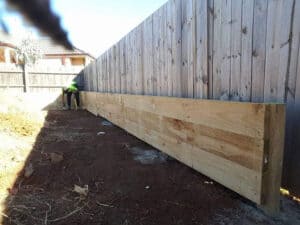
After weighing all elements gone over above thoroughly ask yourself key concerns:
- What do you focus on more-- in advance cost savings versus longevity? How essential are visual appeals within neighborhood standards? Will ongoing maintenance affect just how much time you have actually left over after work?
By asking these concerns vigilantly before choosing whether "to go vibrant" either way it becomes clear as day what fits finest fits private homeowner needs successfully!
So now armed with understanding galore-- it's time make an informed decision about whether you're leaning toward that shining metal sheen supplied by the mighty ColourBond or embracing rustic beauty embodied within those luscious wood designs representing custom at its finest!